
Preservation of Middle and Ottoman Era Churches

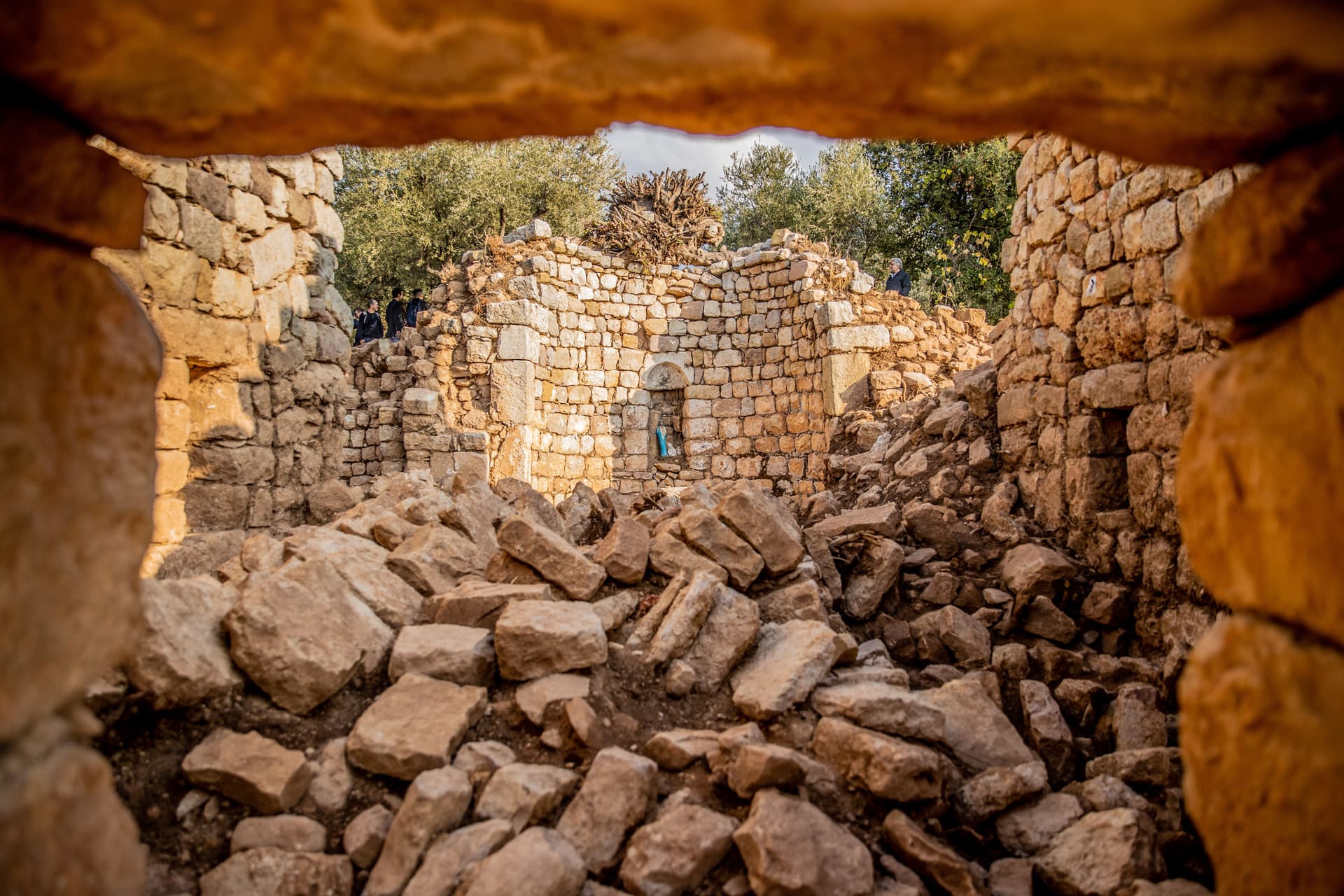
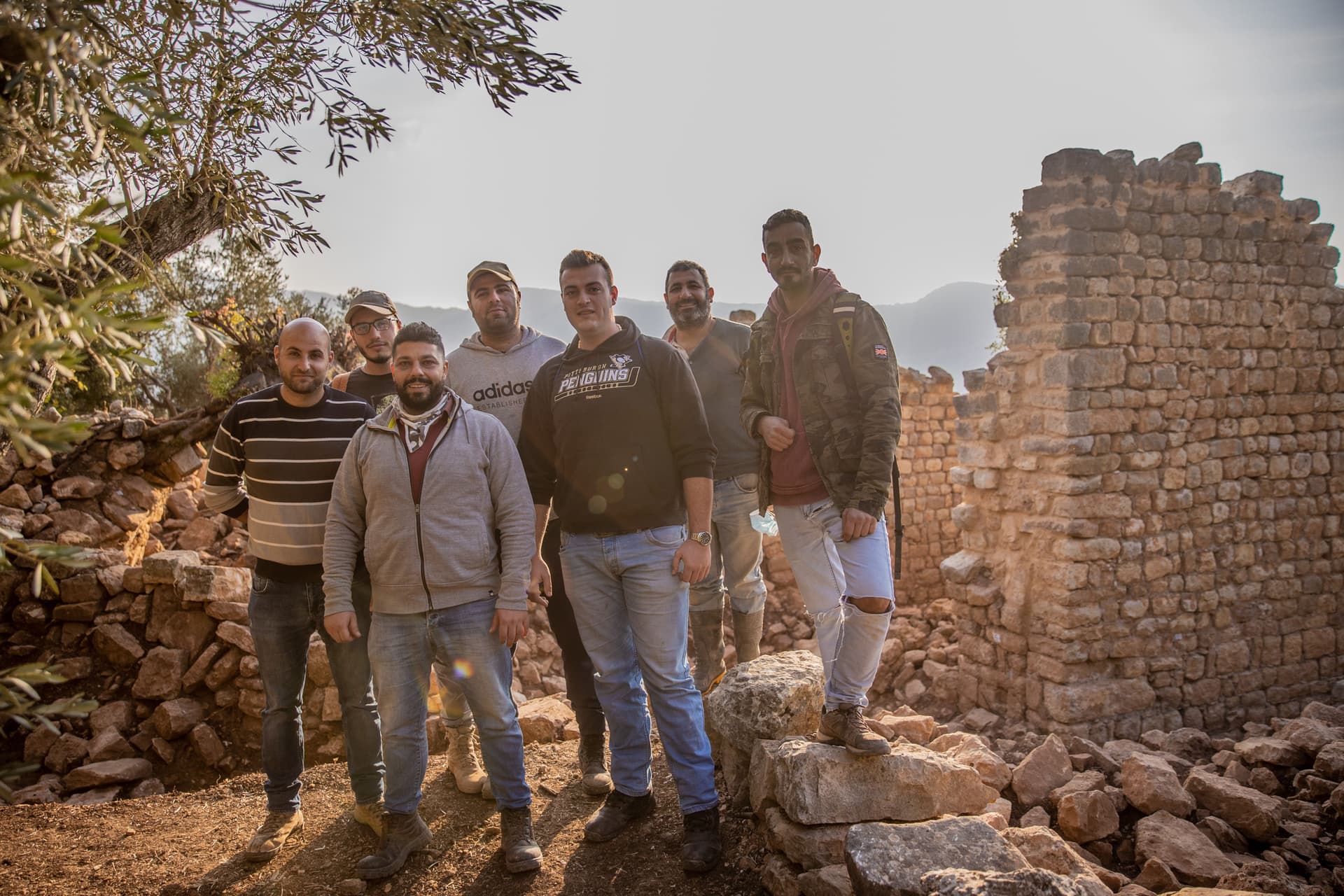
Between 1975 and 1990, Lebanon was engulfed in a brutal civil war, during which a significant portion of the country’s buildings and infrastructure was damaged or completely destroyed. Even in the subsequent thirty years, armed conflicts occasionally erupted across the country. The scars of war and various armed clashes are still visible on many damaged buildings, with bullet holes remaining evident in numerous places. In certain regions, the reconstruction efforts are still incomplete, hindering local residents from resuming their normal lives. Despite the fact that Lebanese Christians still represent one of the last remaining Christian communities in the Middle East, their numbers are steadily declining, and their future is uncertain in the long term. For this community, churches hold significant spiritual and social importance, making their restoration essential to allow locals to continue practicing and expressing their faith. It is also important to highlight that church-provided education serves as a cornerstone for the survival of Christian communities in the Middle East. In the first and second phases of the project, a total of 33 heritage churches were restored. In the third phase, an additional 30 churches underwent renovation nationwide. Through these restoration efforts, the project aims to mitigate the growing trend of emigration among Lebanese Christians by restoring the churches that serve as central hubs for these communities. The reconstruction was carried out through a collaboration between Pázmány Péter Catholic University and the Université de Saint-Esprit in Lebanon.